It sometimes seems to me that, if I’ve only seen a film once, I might as well not have seen it at all. I first saw Hidden Fortress some fifteen years ago. On a recent re-watch, I realized I remembered nothing at all apart from Misa Uehara’s anger, and her eyebrows.
Kurosawa was, of course, a master; there’s a real, earned confidence behind the camera, which brings grandeur to the landscape and the people captured here.
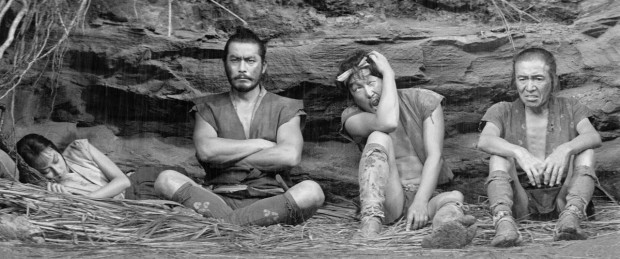
I was struck by how low-minded are the two peasants at the heart of the film. They’re greedy, deceitful, and, in a moment that may be more troubling now than it was at the time, would-be rapists of a young girl. Still, the film finds something to admire in their tenacity.
Toshiro Mifune’s a joy. When isn’t that true? I also liked the gold, hidden in sticks; what a strange, resonant image.
Hidden Fortress is sometimes remembered as an influence on Star Wars, but it deserves to be seen for its own strengths. And (if you’re anything like me) seen twice.
One response to “The Hidden Fortress”
It sometimes seems to me that, if I’ve only seen a film once, I might as well not have seen it at all. I first saw Hidden Fortress some fifteen years ago. On a recent re-watch, I realized I remembered nothing at all apart from Misa Uehara’s anger, and her eyebrows.
Kurosawa was, of course, a master; there’s a real, earned confidence behind the camera, which brings grandeur to the landscape and the people captured here.
I was struck by how low-minded are the two peasants at the heart of the film. They’re greedy, deceitful, and, in a moment that may be more troubling now than it was at the time, would-be rapists of a young girl. Still, the film finds something to admire in their tenacity.
Toshiro Mifune’s a joy. When isn’t that true? I also liked the gold, hidden in sticks; what a strange, resonant image.
Hidden Fortress is sometimes remembered as an influence on Star Wars, but it deserves to be seen for its own strengths. And (if you’re anything like me) seen twice.